
The Hidden Layers of Leadership in the Healthcare Industry

Leadership in the healthcare industry isn’t just about what you know. It’s about how you show up.
When you’re guiding a team or shaping a practice, the way you lead matters. But what does real physician leadership look like in today’s healthcare landscape? It isn’t always obvious. It’s often built quietly, through habits, decisions and your interactions with others.
This article explores how physician leadership develops in three areas (personal, professional and public), why each one depends on the last, and why mastering them is essential.
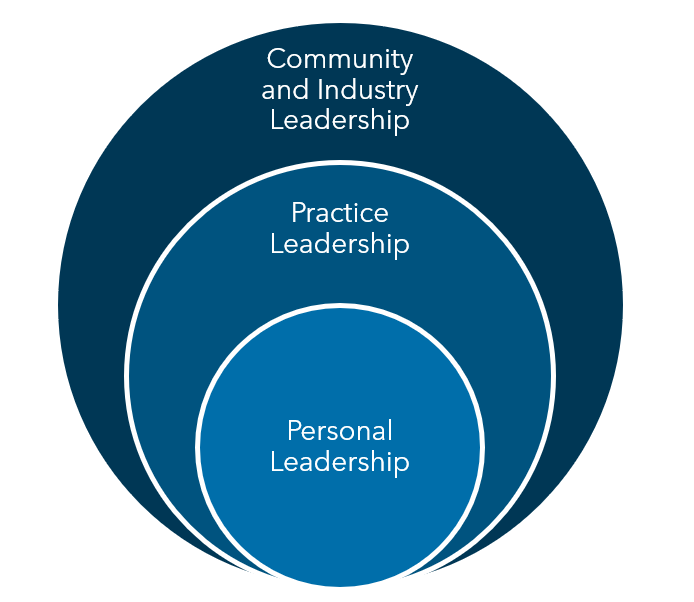
1. Personal Leadership: The Foundation of Influence
We’ve worked with hundreds of physicians. Some are natural leaders. Others have grown into the role. And some have stepped into leadership before they were ready. What separates the successful ones isn’t skill. It’s mindset.
Effective leadership in the healthcare industry begins with a physician’s self-leadership. That means having a personal ideology rooted in service, balance and wisdom. If you’re not disciplined and intentional in your own life, it’s hard to earn respect or influence others.
Physicians who expect their environments to cater to them, who make decisions based on personal convenience or who complain without contributing quickly lose credibility. People notice. And trust erodes.
On the other hand, when you consistently show up with a mindset of service, you build trust. That kind of leadership starts with personal habits.
But good habits don’t mean perfection. It means intentionality. If you’re committed to coaching your child’s soccer team, make sure your clinic performance doesn’t suffer. If you’re still a top producer and adjust your schedule to make it work, people respect that. But if personal commitments lead to poor performance and frequent complaints, it sends the message that you’re not managing your responsibilities well—and respect fades.
Ultimately, if you want to lead others well, you must start by leading yourself. Be disciplined. Be intentional. Be someone others want to follow.
2. Practice Leadership: Building Influence Through Your Behavior
Strong personal leadership is a prerequisite for strong practice leadership. When physicians lead themselves well, the practices run better. They are more productive, more profitable and more respected.
Every physician in every practice has a leadership role, regardless of what your formal title is. It’s a mistake to think, “I’ll lead when I’m the senior partner,” or “I’ll wait until I’m the highest producer.” Lead well from where you are, and the group will be better for it.
How you treat staff, how you show up for patients and how you contribute to the team all send a message. Even small gestures (like a new physician buying lunch for the staff in their first month) can set a tone of appreciation and respect.
And good leadership in the healthcare industry is needed now more than ever. Practices are facing real challenges: declining reimbursements, increased oversight, shifting patient attitudes and staffing instability. Navigating all of this requires strong physician leadership—not just from the managing partner, but from every member of the group.
There are two types of leadership in a practice:
Directed Leadership
This is about making strategic, operational and clinical decisions. Hire a capable administrator, trust them to manage daily operations and focus your time on decisions that require physician input. For major issues, make a recommendation first, then seek feedback. Endless group debate leads to delays and indecision.
Permissive Leadership
This is what you allow to happen (intentionally or not). If you ignore unprofessional behavior, you’re silently endorsing it. That’s why alignment on clinical standards, behavior and ethics is critical. Before hiring or merging, discuss expectations clearly:
- How should staff be treated?
- What’s acceptable behavior in the clinic?
- Are policies enforced or optional?
These aren’t minor details. They shape your entire practice culture.
When physicians are aligned in values and work habits, most other issues can be managed. Differences in pace, procedures and payer mix will affect revenue, but if the group agrees that compensation reflects effort, those differences become fair and manageable.
3. Community and Industry Leadership: Extending Your Influence
In your practice, leadership is earned through trust and permission. But leadership doesn’t stop at the clinic door. In broader settings (like hospitals, medical societies, civic groups or the overall healthcare industry) leadership is offered by invitation. And that invitation reflects how others perceive your character and contributions.
Your reputation as a physician doesn’t just precede you—it races ahead of you. In both small towns and large cities, in both specialty practices and primary care, for both young and mature doctors, your reputation permeates the community. A poor reputation spreads fast. A good one takes years to build.
Physician leadership in the community isn’t about formal roles. It’s about earned respect.
So, when you’re invited to support a civic event, fundraiser or local initiative, say yes and follow through. Show up when you’re asked, offer your perspective when it’s needed and be generous with your time and expertise. Even small gestures like attending a local health fair, speaking at a school or helping organize a charity walk all signal that you’re invested in the wellbeing of your community.
These actions build credibility over time, and that credibility becomes influence. The more present and engaged you are, the more likely others are to see you as a leader, not just in medicine, but in the broader civic landscape and the healthcare industry as a whole.
Learn More About Leadership in the Healthcare Industry
Leadership in the healthcare industry begins with you. It’s more than a buzzword; it’s a personal responsibility. It starts with how you lead yourself, expands to how you lead your practice and ultimately shapes how you lead in your community and throughout the profession.
To learn more about building a respected, high-performing practice, contact your Warren Averett advisor directly, or ask a member of our team to reach out to you.