
Every Financially Strong SaaS Business Model Embraces These 4 Vital Elements

Few industries move as rapidly as SaaS. With fluctuating market dynamics, changing customer demands and advancing technology, the pace is lightning-fast. Staying competitive requires a financially strong SaaS business model to weather these changes.
This article explores four key elements contributing to a successful SaaS business model and provides tactics to leverage them for long-term success.
What Makes a Financially Strong SaaS Business Model?
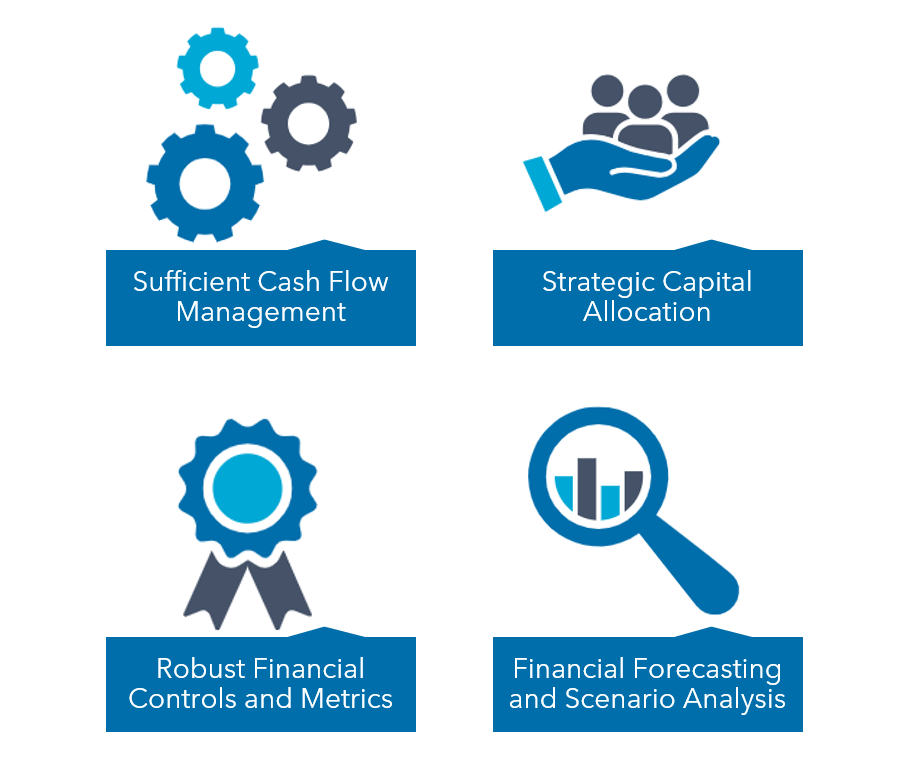
1. Sufficient Cash Flow Management
Without cash flow, liquidity issues will make it difficult for a company to meet your debt obligations, pay expenses and fund growth initiatives.
Analyzing cash flow patterns and trends is essential for the success of your SaaS business model. By examining the timing of cash inflows and outflows, you can make informed decisions on adjusting pricing, optimizing expenses, and identifying potential areas for savings. Understanding your cash flow situation allows you to adapt your financial strategy and build a stronger and more stable business.
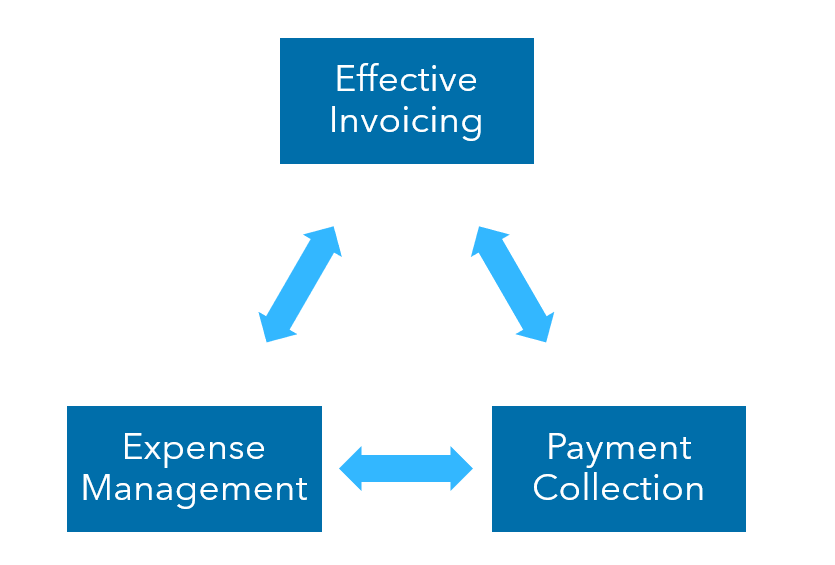
Solid cash flow management is built on:
- Effective invoicing processes
- Payment collection processes
- Expense management processes
Whether you invoice through your enterprise resource planning (ERP) system, accounting software, or another third-party invoicing platform, it’s crucial to promptly send invoices to customers and ensure timely payment collection. This helps to expedite receivables turnover and maintain consistent cash inflows, enabling you to cover expenses and support growth.
2. Strategic Capital Allocation
Adequate capital allocation is vital for maintaining a financially healthy SaaS business model, leading to better management of resources, enhancing the organization’s ability to make strategic investments and generate a satisfactory return on investment (ROI).
In a SaaS business, capital allocation differs from traditional businesses since SaaS companies don’t offer physical products. As a result, heavy investment in fixed assets or production processes may not be necessary. SaaS businesses often have a higher internal rate of return (IRR) and lower operating costs.
Consider the following when allocating capital in your SaaS business model:
- Goals – Align your capital allocation budget with the company’s goals and determine how the numbers will contribute to those goals.
- Transparency – Encourage transparency among departments regarding their financial plans and capital requirements, allowing for a comprehensive understanding of the organization’s needs and fostering better decision making.
- Projections – Analyze potential ROI from different investments, such as research and development, marketing initiatives, scaling up technical infrastructure, hiring additional personnel and expanding operational capabilities. Identify investments that will lead to higher future cash flows.
3. Robust Financial Controls and Metrics
A successful SaaS business model incorporates strong internal controls and robust financial reporting processes. These measures ensure accurate tracking of financial performance, effective resource management and maximized profitability.
Clear visibility into your company’s finances is essential for making informed decisions about investments, budgeting, pricing models and other strategic goals.
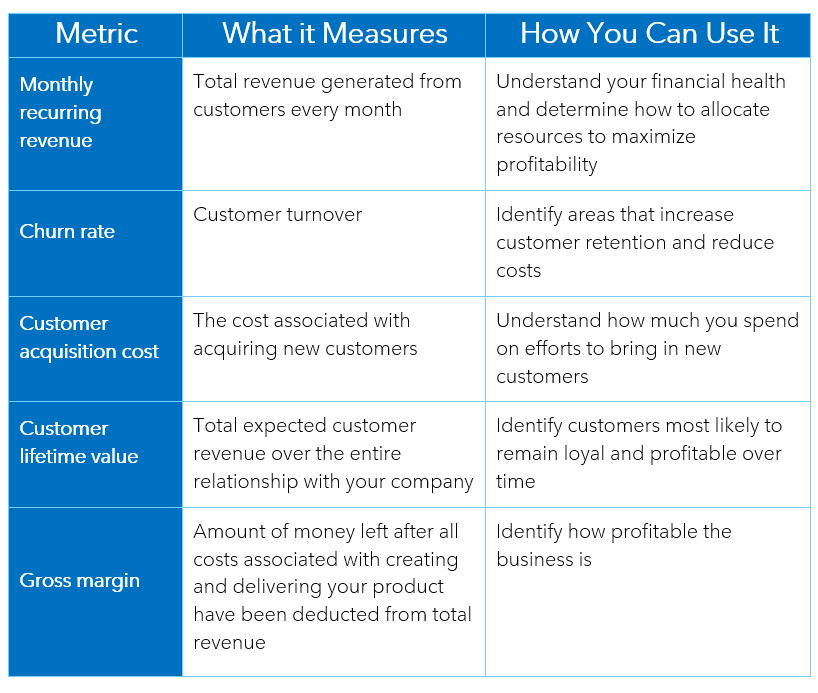
Key performance indicators (KPIs) play a crucial role in tracking the health of a SaaS business. Some valuable KPIs to measure include:
- Monthly Recurring Revenue (MRR): Measures the total monthly revenue generated from customers, providing an accurate picture of the financial health of a SaaS business and helping determine resource allocation for maximizing profitability.
- Churn Rate: Measures customer turnover and identifies areas where the company can make improvements to increase customer retention and reduce costs.
- Customer Acquisition Cost (CAC): Quantifies the cost associated with acquiring new customers, helping understand expenditure on marketing, sales and other customer acquisition efforts.
- Customer Lifetime Value (CLV): Measures the total revenue a customer will generate over their entire relationship with your company. It identifies customers most likely to remain loyal and profitable over time.
- Gross Margin: Measures the business’s profitability by deducting all costs associated with creating and delivering products or services from total revenue, allowing you to make improvements to increase profitability.
By analyzing the data derived from these and other KPIs in your SaaS business model, you can quickly find areas for improvement and take corrective action to enhance your SaaS company’s bottom line.
4. Financial Forecasting and Scenario Analysis
Regularly reviewing and updating financial forecasts is crucial for maintaining a financially healthy SaaS business model, enabling you to proactively anticipate market changes, outpace competitors and make well-informed decisions aligned with emerging trends.
With the rapid market changes, having an accurate understanding of your current financial state is essential for making strategic decisions.
In addition to forecasting, conducting scenario analyses can be beneficial. You can predict the potential impact on your business by running “what-if” analyses for a range of scenarios, such as changes in customer acquisition costs or product pricing, enabling more informed decision-making and being better prepared for any risks that may arise.
Learn More about Enhancing Your SaaS Business Model and Making Sound Financial Decisions
Strong cash flow management, strategic capital allocation, robust internal controls, accurate financial forecasting, and key performance indicators (KPIs) can position your SaaS business model for long-term success, even amidst changing times. Investing time and resources in building a financially strong SaaS business model can be the difference between steady growth and stagnation or survival during uncertain economic conditions.
Contact your Warren Averett advisor or ask a member of our team to reach out to you today for assistance with your organization’s finances. We are committed to positioning your SaaS company for continued success in the future.