
3 Construction Industry Trends To Expect in 2024 (And How To Navigate Them)
The resilient construction industry has adapted to substantial changes and weathered significant challenges in recent years. The most successful contractors have been able to thrive through this turbulence by turning these obstacles into opportunities. Planning, innovation and adaptability have been critical components of success.
As we look to 2024, those aspects are still critical for your construction company’s success, but the landscape is changing in many ways.
Here, we describe three construction industry trends that we expect to see in 2024, as well as how your business can respond to them well so you can be prepared for a successful year.
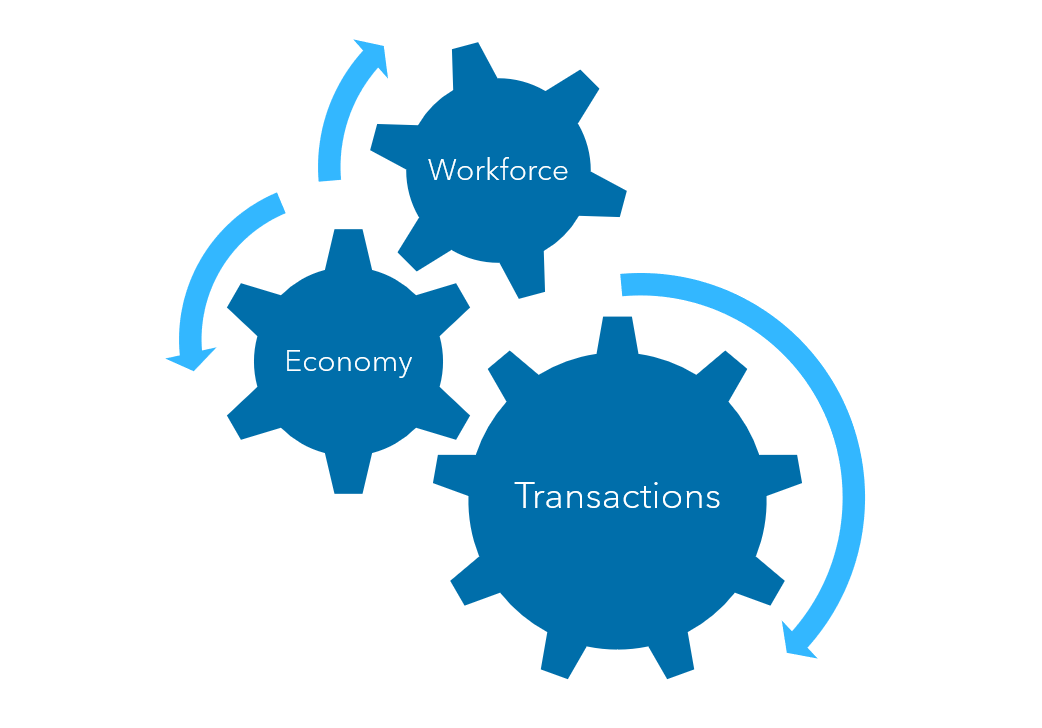
Three Construction Industry Trends Expected in 2024
1. Continued Workforce Issues
The Situation: The construction industry is not immune to the impacts of the widespread workforce shortage. Welders, carpenters, HVAC technicians, electricians and other skilled laborers are in incredibly high demand. This has been a trend within the construction industry for years, and it isn’t going away any time in the immediate future.
Many individuals in these occupations are aging and will soon be exiting the workforce altogether, leaving an even greater gap between the younger generations’ skills and modern construction companies’ needs.
How You Can Respond: Focus on your recruitment and employee retention efforts. Make an effort to understand your company’s turnover, identify any areas in need of intervention and adjust your programs as necessary. Empower the workforce you have and create pathways to career success within your company.
Outside of your specific company’s internal measures, it’s also important to support and advocate for larger workforce development efforts in your area. Several states and organizations have created concerted programs to encourage young people to pursue technical skills and construction careers.
Instead of reinventing the wheel, connect with groups and associations that are already working to attract individuals to the construction industry so that your company can be part of the pipeline of the future workforce.
2. Economic Uncertainty
The Situation: With questions about a potential recession on the horizon, construction companies are wondering how to minimize the uncertainty of the future. Resurfaced supply chain issues further complicate financial matters for this industry in particular, putting projects, budgets and timelines in jeopardy.
How You Can Respond: Predicting the economic future is incredibly difficult in today’s climate, but diligently preparing for any negative impacts now can help you respond positively in the future.
Consider diversifying the types of projects you pursue and the customers you serve in order to lower your risk and better weather fluctuating markets. Government projects may be a good source of stability to consider in the coming year if you haven’t already.

Maintaining strong relationships is also increasingly important with your suppliers, vendors and other contacts; this provides a strong foundation for troubleshooting and problem solving if issues do arise. You may even consider forming partnerships with other construction companies, including your competitors, in certain circumstances.
For the best perspective on the economy and your response, seek advice, be inquisitive and ask questions so you have a full picture of the entire construction industry—not just your one organization.
3. Increased Exits and Ownership Transfer Transactions
The Situation: An emerging construction industry trend is the anticipated increase in exits and transfers of ownership transactions.
Many owners of construction companies in the baby boomer generation are considering retiring and selling their businesses in the next 10 years. But, unlike other industries that have a booming market for financial buyers seeking to buy businesses, the construction industry has relatively few private equity or financial buyers.
The need for aging owners to retire, coupled with the overall lack of financial buyers, is resulting in an ever-increasing need for owners to seek creative ways to transition their businesses.
How You Can Respond: Begin assessing and forecasting your company’s finances now—no matter what your timeline is for exiting your construction company. Succession planning is essential if selling your business is on the horizon, but it’s never too early to begin working to make your company attractive to potential buyers, especially in the construction industry.
Whether an owner chooses to sell a business, transition to family, or to employees, the outcome is dependent on the profitability and cash flow generated by the business. Focusing on improving operations and profitability reaps benefits in any scenario.

Even if you aren’t planning on selling your business anytime soon, it can be beneficial to take a transaction-minded approach to running your business. Work with an advisor you trust to ensure you’re positioning your business well for potential buyers.
Learn More About Responding to Current and Future Construction Industry Trends
While workforce challenges, economic uncertainty and complicated transaction dynamics may be construction industry trends that could require new strategies from your company, these areas can also be potential opportunities to propel your business forward into a new level of success.
To learn more about how your unique organization should respond to your specific challenges, connect with your Warren Averett advisor directly, or ask a member of our team to reach out to you.