
Phishing Attack Prevention FAQs (and Answers)

Every company needs a phishing attack prevention plan. But time is limited, your team is already stretched thin, and technology is complicated.
- Will implementing a phishing attack prevention plan really be worth the resources I put into it?
- Will it negatively impact our company’s productivity to spend the time on this?
- How do I even know where to start if I want to outsmart the sharpest cybercriminals?
No matter what questions you have about creating a phishing attack prevention plan, they’re almost surely easier to answer than the questions companies ask after a breach.
So, here, we’ve outlined frequently asked questions about phishing attack prevention and how to best defend your company—not if, but when you need to be protected.
Download the eBook, How to Spot and Thwart Phishing Scams: A Guide for Businesses.
What is Phishing?
The best place to start when creating a phishing attack prevention plan is to understand the tactic of phishing itself.
Phishing is a form of cyberattack that attempts to persuade unsuspecting employees to reveal sensitive information, open attachments containing malware or click on links to malicious websites.
This opens up the door for a phisher to exploit your company.

Are Some Businesses Immune to Phishing Attacks?
No. A phishing can happen to any business, so every organization needs a phishing attack prevention strategy in place ahead of time.
What Is Behind the Surge of Phishing Attacks?
Phishing attacks have soared in the global shift to remote work and the massive adoption of new cloud-based enterprise technologies.
Phishing is even more common for organizations that don’t have security awareness training or a setup that’s appropriate for remote work, so phishing attack prevention is especially important for companies with any kind of remote presence.
What are the Challenges of Phishing Attack Prevention?
Phishing attacks are based on social engineering techniques, which rely on human error rather than vulnerabilities within operating systems and software. Such attacks capitalize on urgency, fear, trust and mistakes made by legitimate system users—something that’s extremely hard to thwart with software alone.
Phishing can also take many different forms, so phishing attack prevention efforts should consider several avenues that criminals could potentially use.

Although email is the primary vector for phishing attacks, cybercriminals now implement many types of phishing attacks through the use of apps, phone calls, messaging services and social media to get victims to hand over sensitive information that can be leveraged to ransack a business.
Effective phishing attack prevention requires a multi-faceted approach in today’s technology environment.
What is Phishing as a Service (PhaaS)?
Phishing as a service (PhaaS) is a new menace pervading the world of cybercrime. Cybercriminals now outsource their expertise as vendors/service providers for phishing scams by providing phishing kits to anyone with the means to pay their fee.

Phishing kits include everything needed for a successful phishing attack. Many of these kits come with one or more of these mechanisms:
- Legitimate cloud hosting;
- Content injection;
- URLs in attachments;
- Content encryption;
- Inspection blocking; and
- HTML character encoding.
These kits also come with detailed guides and instructions on how to perpetrate phishing attacks and even customer support. It’s been estimated that thousands of PhaaS kits are available on the dark web.
The widespread availability of these kits is contributing to the unabated surge in phishing statistics, because they enable anyone, anywhere to carry out sophisticated phishing attacks, regardless of their skill sets.
How Do I Implement an Effective Phishing Attack Prevention Plan in My Company?
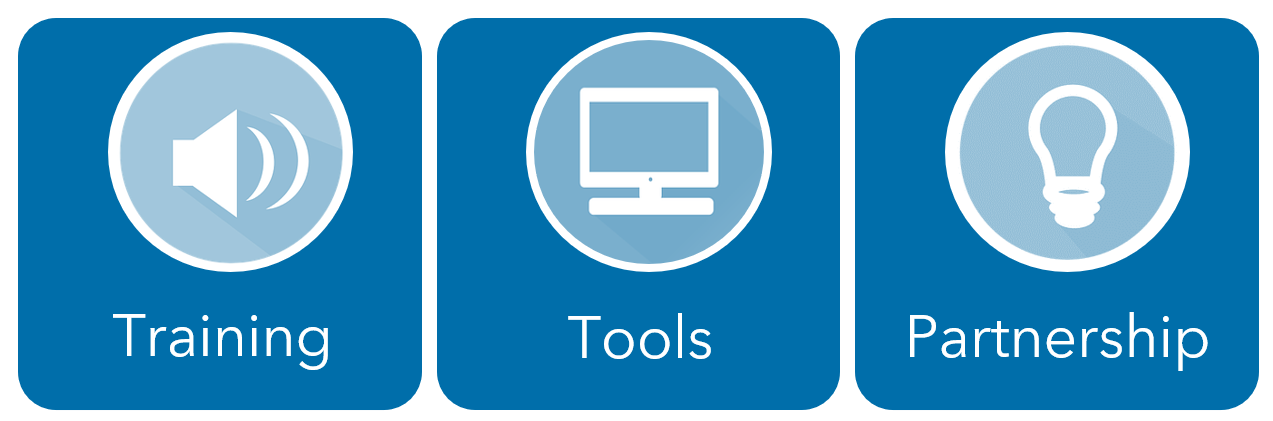
With the ever-changing nature of phishing attacks, staying on top of your IT security can feel like an uphill climb. Here are a few of the most common phishing attack prevention methods.
1. Train Your Team
Because phishing attacks can take so many different forms, anti-phishing training for your employees can be your best and first defense. Teaching your team about the risks of phishing, how to identify a phishing email and how to guard against threats in other forms is an incredibly effective phishing attack prevention tactic.
2. Use the Right Tools
Certain anti-phishing software exists that can help your company filter out phishing emails before they ever even reach your team to begin with. These systems are not a Band-Aid to be used in place of a full phishing attack prevention plan, but they can be a powerful part of one.
3. Partner with an Expert
One of the best ways to implement a phishing attack prevention plan is to leverage the expertise of managed service providers (MSP) and managed security services. An MSP understands cybercriminals’ latest tactics and can provide the kind of security awareness training to your employees that can help them avoid falling for a phishing scam.
Learn More about Phishing Attack Prevention
As long as companies use technology in their operations, cybercrime will be with us, which means that the need for phishing attack prevention won’t ever go away.
Need help getting started with your plan? Schedule a consultation with an expert to evaluate your IT security health and how secure your systems are.
