
5 Common Pitfalls in M&A Transactions (and How To Avoid Them When Selling Your Business)

Merger and acquisition (M&A) transactions can be a promising path to grow your business or provide wealth creation, but it isn’t always a smooth process. Many deals get postponed or collapse entirely because of complications, sending sellers back to square one.
If you’re preparing to sell your business (or even considering a sale down the road), you don’t have to wait for surprises to come up during due diligence. There are proactive steps you can take before a transaction to improve your chances of a deal’s success.
Here, we’ve outlined the five most common reasons why M&A transactions fall through—plus tips to help you avoid these pitfalls ahead of a transaction.
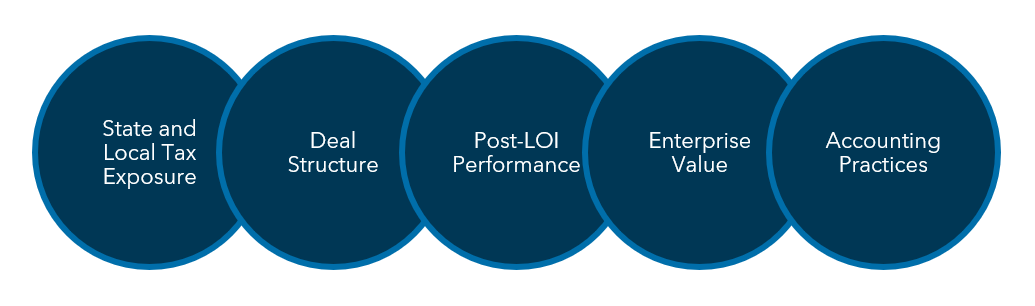
Reason #1: State and Local Tax (SALT) Exposure
One of the most common reasons M&A transactions fall through is unexpected state and local tax (SALT) liabilities.
Many businesses unknowingly create tax nexus in multiple states by having employees, sales or property outside of their primary jurisdictions. Failing to identify this exposure, register in the appropriate states and collect and remit sales tax at the correct rates leads to tax liabilities that deter potential buyers or result in deal renegotiations.
Work with an advisor to conduct a nexus review to determine potential physical or economic nexus exposure. If you discover past non-compliance, consider entering into a voluntary disclosure agreement (VDA) with the relevant states. You may be able to settle unpaid taxes with reduced penalties before the deal progresses.

Reason #2: Lack of Deal Structure Understanding
Another common reason why deals fall through is that sellers may not fully understand how a deal’s structure affects the final amount a seller walks away with after adjustments for cash, debt and taxes.
On one hand, a poor structure could leave sellers with far less than expected, which can put a halt to a deal.
On the other hand, a well-structured agreement keeps sellers happy and provides valuable tax benefits for buyers, such as tax-amortizable goodwill, which can enhance the buyer’s ability to recover costs and make the transaction more appealing.
Work with a knowledgeable M&A advisor who can guide you through the complexities of deal structure. You don’t need to be an expert in transactions, but you should understand the factors influencing your numbers—including working capital adjustments, earnouts and tax implications—in order to make your deal successful.

Reason #3: Lower Performance After an LOI
Once both parties sign a letter of intent (LOI), it’s not uncommon to see a selling business’s performance dip, which can cause concern for a buyer.
This fluctuation might stem from economic factors or the seller’s laser focus on the transaction at the expense of sales or operations. Either way, it can cast doubt on financial projections, raise red flags for potential buyers and even delay or derail the deal.
After signing an LOI, continue running your business as usual—just as you would without the deal being in progress. Keep your sales funnel full and maintain operational efficiency. It’s natural for performance to dip slightly during due diligence, but avoid neglecting day-to-day activities.
Consistent performance gives buyers confidence that the business will remain profitable post-sale.

Reason #4: Enterprise Value Doesn’t Exactly Equal Purchase Price
Enterprise value differs from the purchase price in M&A transactions. Several factors, such as debt, cash on hand and net working capital adjustments, affect the final price a seller receives.
If the net working capital left in the business at closing is less than the pre-determined target, the buyer will expect compensation. On the other hand, closing net working capital greater than the pre-determined target can increase the purchase price.
Understand your net working capital target and ensure you’re able to deliver the required amount at closing. Negotiate these terms early in the process so both parties align on expectations. Clarifying how debt repayments, excess cash and working capital requirements impact the final purchase price can help minimize risks and maximize the value received at closing.
Work with your transaction advisors to monitor net working capital throughout the sale process and avoid last-minute adjustments that could reduce your net proceeds.
Reason #5: Poor Accounting Practices
One of the top reasons M&A deals fall through is poor accounting practices. Buyers rely on your financial statements to assess the health of your business, so disorganized and inaccurate financial records are a red flag during due diligence.
Before entering the diligence process, get your financials in order. Having an annual audit or review can help identify and correct issues early. Well-maintained books increase the credibility of your business, giving buyers confidence they’re acquiring a well-run operation.
Learn More About Preparing To Successfully Sell Your Business
Identifying and addressing potential deal-breakers beforehand gives you a critical edge when selling your business and helps you avoid common pitfalls that delay or derail M&A transactions. Prioritize the areas with the greatest potential risk and take steps to mitigate those issues before they become a problem.
If you’d like to learn more about increasing your chances of a successful and smooth transaction or preparing for the due diligence process, contact your Warren Averett advisor directly, or ask a member of our team to reach out to you.