
Workers Aged 55+ Could Be the Key to Nonprofits’ Hiring Strategies in 2024

Hiring can be challenging for any organization, but it can be especially difficult for nonprofits.
Competing for experienced and committed talent is imperative for a successful talent acquisition strategy, but it’s tricky when your organization may not be able to offer the same compensation and benefit packages as a for-profit business.
The nonprofit industry has different staffing considerations than most other companies, so nonprofits may need to think differently about their recruiting efforts to truly be successful. And one of the most unique opportunities for nonprofits could lie in recruiting workers aged 55 and older.
According to the Bureau of Labor Statistics, workers aged 55 and older have been the slowest to reenter the post-pandemic workforce. This means that, in an oversaturated labor market, some highly experienced and deeply qualified workers in this demographic may simply be waiting for the right position at the right organization.
This presents a golden opportunity for nonprofits to onboard top talent that for-profit organizations may not see. Here are three reasons why nonprofits should specifically consider recruiting workers aged 55 and older as part of their 2024 hiring strategies.
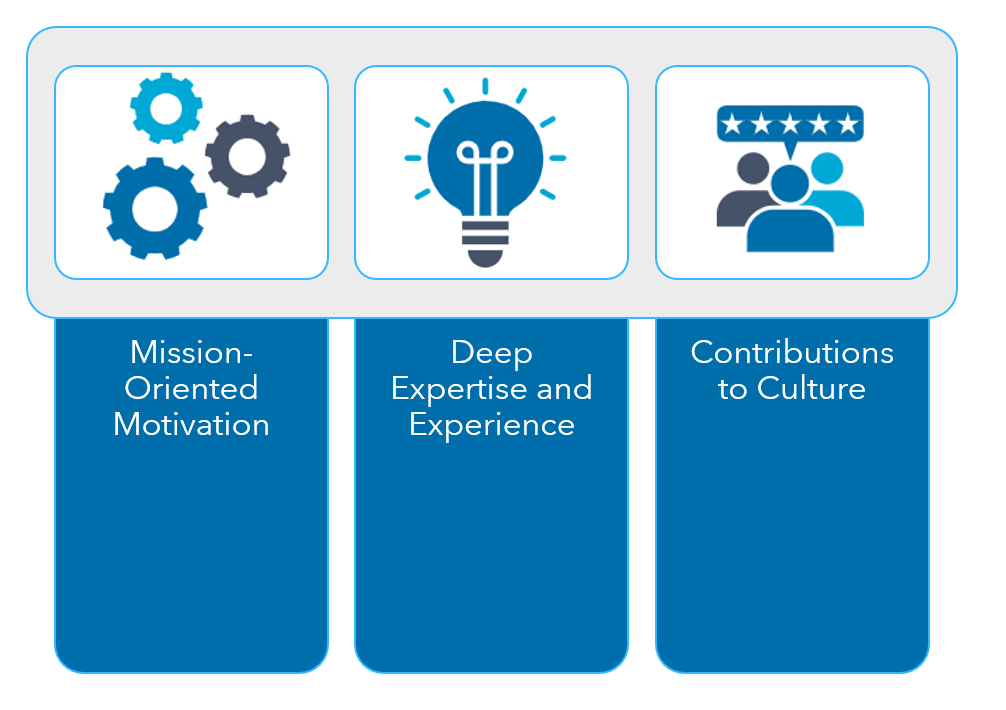
1. Mission-Oriented Motivation
Many workers in this demographic are interested in more than a job. They want to make a difference with their time and efforts toward a meaningful cause.
This outlook could explain their slower speed to re-enter the workforce after the pandemic. Having established their own professional expertise and financial security from earlier stages in their careers, these individuals may have the luxury of waiting for an opportunity that they view as a fulfilling use of their time.
This also means that nonprofits could have a distinct advantage to recruit these workers because they may be prioritizing mission-based work over monetary gain—a huge benefit for nonprofits that exist to advance a particular mission but are often forced to restrict compensation packages due to limited financial resources.
Part time work may also be a mutually beneficial arrangement for both nonprofits that are looking to hire deep expertise on a budget and for professionals who want to apply their skills to a meaningful cause while transitioning slowly into retirement.
2. Deep Expertise and Experience
Workers aged 55 and up have a great deal of expertise to offer nonprofits. Individuals in this demographic with a history in the nonprofit industry can bring rich and specialized insight from a new angle to your organization.
But don’t limit your candidate search to only individuals who have a career history in the nonprofit industry.
Professionals with backgrounds in finance, project management, human resources, technology, communications, event planning and administration (to name a few) can offer fresh perspectives and rich insights that can strengthen specific aspects of your organization.
Even bringing these individuals onto your team in a temporary consulting-type role can allow your nonprofit to access specialized perspectives you may not have been able to access otherwise, while also offering valuable flexibility to these workers.
3. Contributions to Organizational Culture
Workers who are nearing the end of their careers are unlikely to introduce new drama or politics into your organization. An individual nearing retirement probably won’t desire to aggressively climb the ladder in your organization, and they probably won’t resign quickly for the next best opportunity.
On the contrary, these individuals can add immense value to your nonprofit’s culture by mentoring younger and less seasoned employees, thereby enhancing a culture of teamwork and collaboration.
These individuals are also likely to integrate well into your existing operations, demonstrate a sense of loyalty to your organization’s work, advocate for professionalism, prioritize connections and inspire a mission-based outlook among your other employees. These attributes make workers aged 55 and up excellent additions to many nonprofits’ organizational cultures.
Plus, they may be easier for your organization to retain and engage in a full-time position than entry- or mid-level employees.
Learn More About Recruiting Tactics for Your Nonprofit
Considering the reluctance of these workers to rejoin the workforce, nonprofits should adopt a non-traditional hiring approach to attract this group.
Their behaviors indicate a preference for personal discussions over job boards, so utilizing word-of-mouth campaigns and personal connections may be a more effective way to reach potential hires than traditional online job postings.
Ultimately, nonprofits should lead with their mission and seek candidates with the expertise that can benefit it. The result can lead to a mutually fulfilling and rewarding partnership with a new team member.
If you’d like to learn more about how to make your nonprofit’s hiring practices and talent acquisition strategy successful, or if you’d like to know how the latest hiring data should influence your recruiting tactics, reach out to an advisor at Warren Averett Staffing & Recruiting for help.