
How To Make A Nonprofit Budget (Six Steps for Success)

A nonprofit’s budget sets the bar for the organization’s financial performance. Budgeting plays a significant role in maintaining accurate and timely financial reporting, which allows nonprofits to be financially healthy.
But budgeting isn’t just a box to check after plugging numbers into a spreadsheet. Creating a nonprofit budget that will set your organization up for success requires a thoughtful process that considers multiple factors that are specific to your organization.
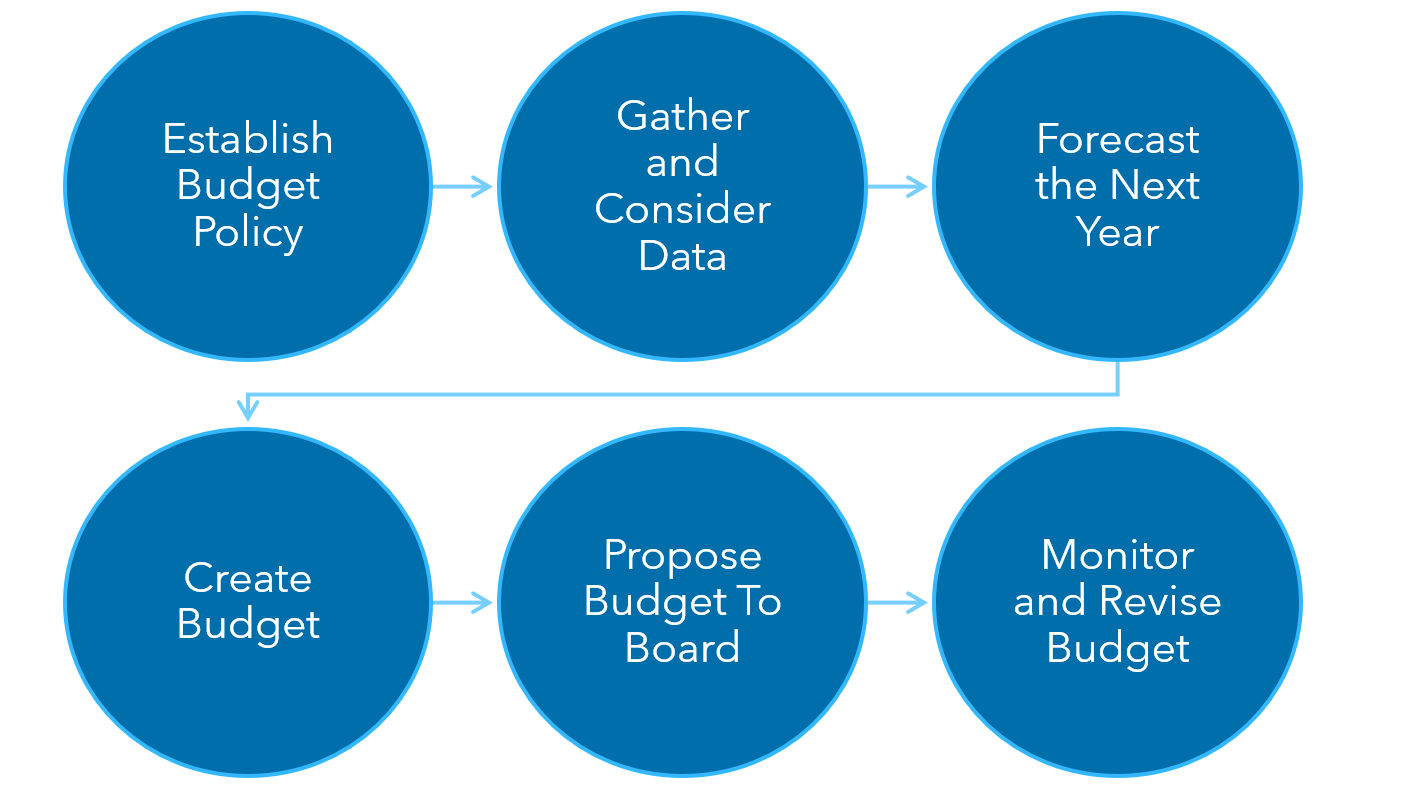
In order to be successful, there are a few things to keep in mind when establishing a nonprofit budget. Here are six basic steps to guide you through the process.
#1: Establish a Budget Policy for Your Nonprofit
First, nonprofits should establish a budget policy.
A budget policy may vary depending on your specific organization and need, but at a minimum, this policy should include:
- The purpose of the budget
- The guidelines for each department to follow
- The budget timeline
Before you begin creating a nonprofit budget, it’s important to create these guardrails for the process and communicate them with those parties who are charged with the financial governance of your nonprofit.
This document should serve as a helpful reference as you build the budget itself to keep you on course.

#2 Gather and Consider Relevant Data
Second, both historical data and the current environment should be considered as a frame of reference when developing the nonprofit budget.
How has your organization performed in light of relevant ratios and key performance indicators in the last few years? What is your current financial situation in today’s economic environment? Have you reached the recent financial goals you have set for your nonprofit?
It’s important to know where you’ve been, where you want to go and whether that goal is attainable considering the current climate. Gathering this information before you begin crafting a nonprofit budget will allow you to make the most practical and informed decisions about your organization’s finances.
#3 Forecast the Next Year
Next, your nonprofit’s revenues and expenses should be forecast for the year based on the information that you gathered in the previous step.
Forecasting shouldn’t be a shot in the dark; rather, it should be a methodical process that takes into account all relevant information. Consider what you believe the next year may hold for your nonprofit, including likely external influences, internal activities and how your organization will plan for and respond to them financially.

#4 Create the Budget
Once you have a full picture of the past and present and have reasonably forecast the future, it’s time to actually create your nonprofit budget.
Work with your key internal and external stakeholders to create a nonprofit budget that is reflective of how you’ve done in the past and what you expect for the immediate future.
#5 Propose the Nonprofit Budget to the Board of Directors
Once the initial nonprofit budget is prepared, it should be reviewed and approved by the organization’s Board of Directors.
Your Board of Directors has a fiduciary responsibility to your nonprofit, so it’s important that they not only review and approve the budget, but that they are equipped to understand the information being presented to them.
The approved nonprofit budget becomes the roadmap for the organization’s operating performance.
#6 Monitor Performance and Revise the Budget as Necessary
Finally, monitoring is a key component of the budgeting process.
Budget-to-actual performance should be reviewed monthly by both management and the Board. Budget-to-actual variances could be a sign of personnel issues, funding problems or poor financial management. It could also be a sign that significant changes in the operating environment have occurred and that the nonprofit budget should be revised.
A revised budget showing no anticipated revenue would help the organization to be proactive in determining how to continue to cover expenditures without the same level of income as originally anticipated.
For this reason, it’s important for nonprofit organizations to be flexible and to revise the budget upon the occurrence of significant unplanned events.
Learn More About Creating, Monitoring and Revising a Nonprofit Budget
We’ve only scratched the surface of all that a nonprofit budget entails.
Even after your budget is created, reviewed and approved, there is much more to consider, especially when it comes to how your budget will influence your organization’s financial management and reporting.
Still, creating a solid nonprofit budget is an essential foundation for being a financially healthy organization and having the basis you need to go about advancing your mission.
To learn more, contact your Warren Averett advisor directly, or ask a member of our team to reach out to you to start the conversation.
This article was originally published on May 12, 2021, and most recently updated on November 17, 2023.