
Pregnant Workers Fairness Act: What Companies Need to Know

The Pregnant Workers Fairness Act is a new law that applies to pregnancy-related accommodations for covered employers. The Pregnant Workers Fairness Act was passed into law in December 2022 and went into effect June 27, 2023.
Here’s what organizations should know about the Pregnant Workers Fairness Act to be sure you’re meeting regulations and supporting the well-being of your employees.
What Is the Pregnant Workers Fairness Act?
The Pregnant Workers Fairness Act is a landmark law that requires covered employers to provide reasonable pregnancy-related accommodations for pregnant workers with known limitations related to pregnancy, childbirth or related medical conditions, unless such workplace accommodations will cause “undue hardship” for the employer.
Does The Pregnant Workers Fairness Act Replace Previously Existing Laws?
The Pregnant Workers Fairness Act does not replace existing pregnant worker rights and employment protection provided through local, state or federal laws that offer greater pregnant worker protection and anti-discrimination laws.
What Is the Purpose of the Pregnant Workers Fairness Act?
The Pregnant Workers Fairness Act was designed to safeguard the rights of pregnant workers, promote workplace fairness and safety, and greater workplace equality.
Which Employers Does the Pregnant Workers Fairness Act Apply To?
The Pregnant Workers Fairness Act protects employees and applicants of “covered employers,” which includes all organizations in both the public and private sectors who have at least 15 employees. Federal agencies, labor organizations and employment agencies are not exempt.
Specific coverage and thresholds may vary, which means that it’s crucial for your company’s HR department, general counsel or your Warren Averett Consulting partner to keep up with any updates to the Pregnant Workers Fairness Act and nuances that may impact your organization.
What Is “Undue Hardship” Under the Pregnant Workers Fairness Act?
An exception to the Pregnant Workers Fairness Act would be if the accommodation needed by the worker causes “undue hardship” on the employer. The specific definition of “undue hardship” considers various factors, including:
- The size and financial resources of the employer
- The nature of the employer’s operations, such as whether it is an office or a warehouse
- The potential impact of required pregnant worker accommodations on the employer
If an accommodation results in excessive cost, operational disruption or the fundamental alteration of job requirements, these elements might trigger an undue hardship ruling.
How Should a Company Comply with the Pregnant Workers Fairness Act?
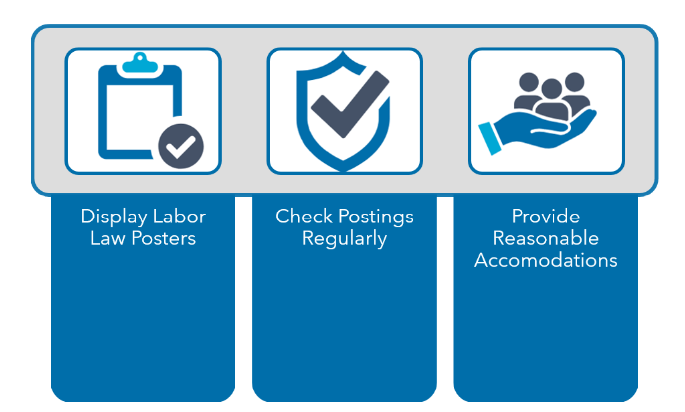
Small- or medium-sized businesses can comply with the Pregnant Workers Fairness Act by:
- Ensuring that labor law posters are displayed in central locations that are easy for all of your team members to read regularly, such as the break room or other common areas
- Checking all labor law postings regularly to ensure your organization is up to date.
- Providing reasonable pregnancy-related accommodations for pregnant workers (unless such workplace accommodations will cause “undue hardship”)
Learn More about How Your Company Should Comply with the Pregnant Workers Fairness Act
While most organizations will readily comply with The Pregnant Workers Fairness Act in the interest of the well-being of their team members, trying to get up to speed with any new legal requirement in the workplace can be a challenge, especially for organizations that are already strapped for resources. However, noncompliance can lead to serious consequences.
If you need assistance in complying with The Pregnant Workers Fairness Act or if you have questions about your company’s overall HR compliance matters, reach out to a Warren Averett Workplace advisor who can offer insight.