7 Cyber Threats That Can Derail a SaaS Start-Up (and How To Stop Them)

Cybersecurity is mission-critical for today’s businesses. But ironically, it’s often overlooked by some of the most tech-forward organizations out there—SaaS startups.
SaaS companies must navigate a threat landscape that’s uniquely complex, and these organizations encounter vulnerabilities that traditional businesses simply don’t.
To further complicate the matter, many early-stage SaaS companies operate without a formal cybersecurity program. Despite handling sensitive data and operating in high-trust environments, security investments are frequently delayed in startups, leaving the company exposed to breaches.
But cybersecurity is much more than a technical safeguard. It’s a strategic growth enabler. To protect your business and accelerate growth, SaaS startups need a proactive, tailored security strategy that accounts for your unique threats (and is positioned to stop them).
If you’re building a SaaS startup, consider these seven threats when building your cybersecurity strategy.
1. Multi-Tenancy Risks
Multi-tenant architecture allows SaaS companies to serve multiple customers from a single application instance, but it also creates the potential for catastrophic data leakage or unauthorized access between customer environments.
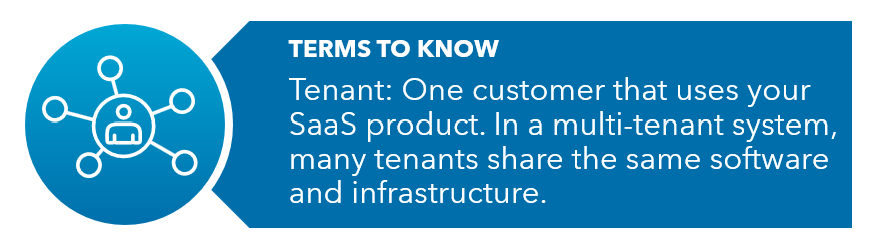
When one tenant’s data accidentally becomes accessible to another, you’re facing much more than a technical glitch. You can suddenly find yourself facing angry customers, legal liabilities and even regulatory scrutiny.
To safeguard sensitive data in a multi-tenant SaaS environment, robust tenant isolation (making sure each client’s information is completely separated from the others) is essential. This is done by setting up strong controls that limit who can see what, both in the software and in the database.
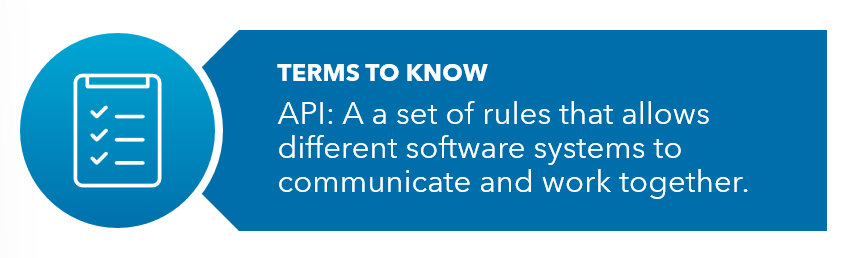
On top of that, using role-based access control (RBAC) helps ensure that people and systems only get access to the tools and data they truly need. This need-to-know approach helps prevent security issues from spreading if something goes wrong, keeping your platform and your customers better protected.
Even during the minimum viable product (MVP) stage, you should prioritize tenant isolation in your architecture. Retrofitting proper isolation later can cost much more than building it correctly from the start.
2. API Exploits
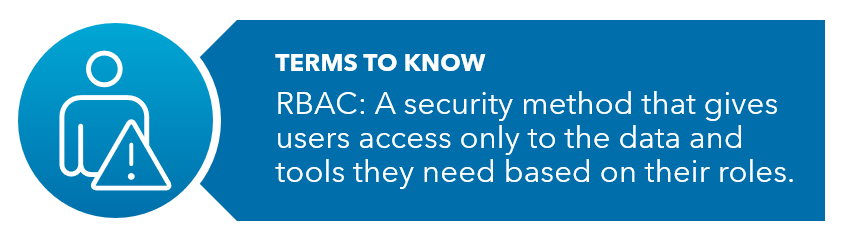
While many SaaS startups rely heavily on external application programming interfaces (APIs), few allocate appropriate resources to properly vet the dependencies—and they’re prime targets for attackers seeking to gain unauthorized access.
API vulnerabilities can break critical customer integrations, cause service outages and expose sensitive data. When your API is compromised, customers lose trust in your platform’s reliability. If you’re a B2B SaaS company, API downtime can cost your enterprise customers money, leading to contract cancellations and damaged relationships.
Secure APIs start with smart design. Use strong authentication to verify users, limit how often APIs can be called to prevent abuse and carefully check all incoming data to block malicious inputs. But design alone isn’t enough. Conduct API penetration testing regularly to uncover hidden vulnerabilities before attackers do.
3. Customer Credential Stuffing
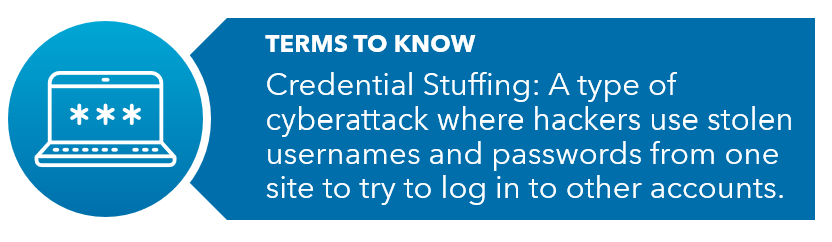
Attackers routinely use credentials leaked from other platforms to attempt to access SaaS accounts. And because users commonly reuse passwords across multiple services, they’re often successful.
Account takeovers like this create immediate support burdens, erode customer confidence and can expose you to liability if customer data is compromised.
Multi-factor authentication (MFA) is one of the simplest and most effective ways to prevent unauthorized access to user accounts. By requiring a second form of verification, it adds an extra layer of protection beyond just a password.
Pairing MFA with smart login monitoring, like limiting how often someone can try to log in and flagging suspicious activity, helps catch and block common attacks such as brute-force attempts or the use of stolen credentials. These straightforward steps can make a big difference in keeping your platform and users secure.
4. Improper Role-Based Access Control
Without proper RBAC implementation, users can gain access to sensitive data or functions well beyond their authorized scope, creating both security risks and compliance violations.
If you have weak RBAC, you’re more likely to experience insider threats and data misuse incidents that damage customer relationships and require costly remediation. Improper access controls can also trigger compliance violations that result in fines, failed audits and lost business deals.
Controlling access in your SaaS platform is key to keeping it secure. Build RBAC requirements into your product roadmap early in the development process. Your enterprise clients will demand sophisticated access controls, and retrofitting them later can delay sales cycles and limit your market opportunities
Plus, access needs change as teams grow and roles shift, so it’s important to regularly review access controls to make sure permissions stay appropriate and current.
5. Data Residency and Compliance Challenges
Even well-established SaaS companies can struggle with data protection regulations, like GDPR, CCPA and industry-specific requirements that dictate where and how customer data can be stored and processed.
SaaS startups often face intense pressure to look enterprise-ready, while still operating with the limited security maturity of a young company. This gap can lead to shortcuts in how data is handled, which can result in serious consequences.
Compliance violations can result in large fines, lost opportunities in regulated markets and the inability to serve enterprise customers who require specific compliance certifications. This means that non-compliance can effectively lock you out of entire geographic markets (e.g., the EU) or industry verticals.
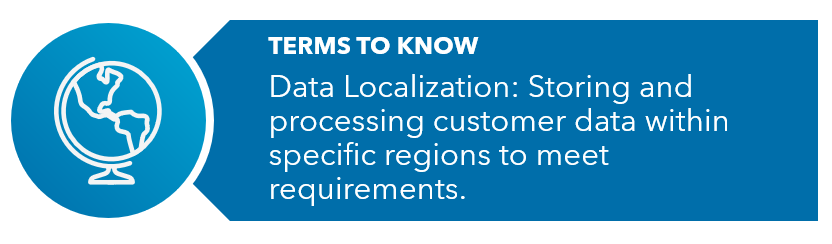
That’s why building strong, scalable security practices early on is essential for long-term success and compliance. Data localization controls give your customers the ability to choose where their information is kept and processed, which not only helps meet regulatory requirements but also gives customers greater confidence that their data is handled according to their preferences and local laws.
Take the right steps, and begin System and Organization Controls (SOC) exam preparation early. Having a SOC exam and report demonstrates your commitment to security and transparency, and it also positions your startup to win the trust of enterprise customers and to scale confidently.
A SOC report acts as a powerful trust signal, proving your security practices meet rigorous criteria. Ultimately, investing in a SOC report builds lasting customer trust. It shows you’re serious about security and makes your startup a more attractive partner for enterprise clients who demand strong risk management.
6. Fragmented Systems and Processes
Rapid scaling often leads SaaS startups to adopt multiple tools and systems without centralized security oversight, creating dangerous blind spots and inconsistent security policies.
Fragmented systems make it nearly impossible to maintain consistent security policies, increase the likelihood of configuration errors and complicate incident response efforts, making incident response times longer.
That’s why it’s important to regularly review your overall security setup to spot any tools that are outdated, risky or don’t integrate smoothly with the rest of your system.
Choose scalable security tools early in your growth and document your complete technology stack (including security configurations and integration points). Every new system you want to integrate should undergo a security review before implementation to ensure it fits your overall security strategy.
7. Unmonitored Third-Party Relationships
Many SaaS startups place too much trust in third-party vendors and service providers without proper security oversight, creating potential attack vectors through the supply chain.
Third-party breaches can reach far into your platform, damaging your reputation and triggering compliance issues even when the initial compromise occurred outside of your direct control. SaaS startups are particularly vulnerable due to their extensive vendor ecosystems.
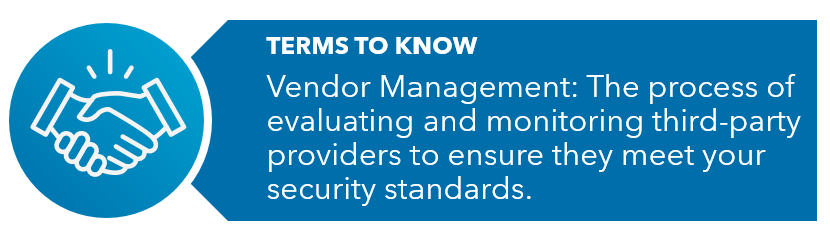
It’s important to have strong vendor management practices in place and conduct thorough security assessments for every provider you work with. Once onboarded, vendors should only be given access to the specific systems and data they absolutely need. Their activity should also be closely monitored, and access should be reviewed regularly.
Implement effective vendor management strategies by treating vendor onboarding like hiring employees. Verify their security practices, monitor their performance and hold them accountable for maintaining security standards.
Cybersecurity as a Growth Strategy
For SaaS startups, cybersecurity isn’t just about defense. It’s about enabling growth.
To learn more about how to protect and grow your SaaS start-up, contact your Warren Averett advisor, or ask a member of our team to reach out to you.