8 Tips to Prepare for a Successful QOE (And a Successful Transaction)

A quality of earnings analysis (QOE) is your business’s equivalent to a home inspection.
During a home inspection, an unbiased third party looks at all aspects of the building so that both the buyer and seller are aware of the house’s full condition and can make informed decisions about negotiations. It may reveal leaks and cracks you were already aware of, but it can also reveal issues that may not have been visible to you initially.
Having an inspection performed before a sale can help you prepare well ahead of the final buyer’s inspection.
A QOE investigates your business in the same way, examining your company’s earnings, analyzing net working capital and validating the company’s cash before a transaction. And, just as you may make upgrades to a home before an inspection, preparing for a QOE can go a long way in making the process go smoothly and attracting a buyer.
To set your business up for success in the QOE process, consider the following tips to prepare well.
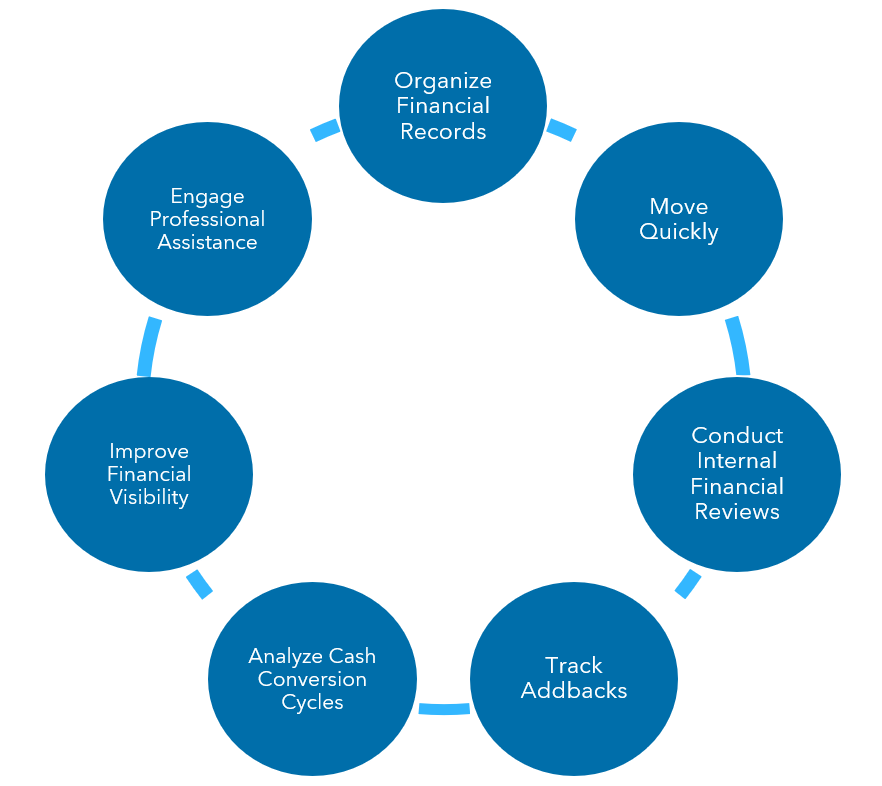
QOE Tip 1: Organize and Maintain Accurate Financial Records
Accurate and readily available financial records are the foundation of a reliable QOE report.
Maintain detailed and accurate financial records to ensure the true financial performance of your company is properly reflected in your financial statements.
Prepare well by implementing accounting systems and processes to track and report financial data accurately and timely.
QOE Tip 2: Move Quickly, But Maintain Quality
Time kills deals in the transaction space. The more delays you have and the more time it takes to go through the QOE process, the more likely it is that the deal will not transact. The goal is to be as efficient as possible during the QOE, while maintaining a high standard of quality.
Position yourself for speed ahead of time by making yourself available and updating financial data for a three-year period, including trailing 12 months.
It’s also helpful to determine now who your inner circle is—who internally and externally you will invite into the process. This will help you know how best to obtain the information that is requested in the QOE process, while keeping the level of confidentiality you desire.
QOE Tip 3: Conduct Internal Financial Reviews
Conducting regular internal financial reviews helps identify potential issues or irregularities in financial statements that could affect the QOE report.
Conduct these reviews similarly to QOE procedures so you can identify any potential issues or inconsistencies ahead of time. Address these issues promptly and ensure that your financial records are clean and transparent.

Set up quarterly reviews using QOE principles as your guiding framework, focusing on the most accurate representation of your businesses. This process would ideally be run by you (the owner) so that you gain the in-depth knowledge of your business and are ready to answer the questions that will come up in a QOE report.
If you’re concerned about raising eyebrows among your staff by asking for QOE preparations, there are ways that you can position these requests as additional financial analysis to help you run the business better, which can help protect confidentiality for your potential sale.
QOE Tip 4: Identify and Track Addbacks
Different types of adjustments can be applied to earnings before interest, taxes, depreciation and amortization (EBITDA) to cut to the core of your business’s true earnings. Identify and track these adjustments (both positively and negatively) historically in your existing monthly financial analysis process, keeping adequate support for the addback.
(Again, there are ways to communicate to your staff that these activities are part of an additional financial analysis that the owners and other external stakeholders are interested in to keep a potential sale confidential.)
This will prepare you well for a QOE because it will help expedite the process and communicate to buyers that you have a handle on your business and you have come to market prepared to make a deal.
QOE Tip 5: Regularly Analyze Your Cash Conversion Cycle
A detailed analysis and a good understanding of your business’s cash conversion cycle will be critical in a successful QOE because it will give you the information necessary to answer questions that come up during the QOE management meeting. Potential buyers will want to know what cash your business requires.
It’s good practice to forecast the cash conversion cycle on a 13-week basis to have a real-time understanding of your cash .
QOE Tip 6: Improve Financial Visibility
Focus on improving financial visibility before your QOE by implementing reliable financial reporting systems. This includes timely and accurate preparation of financial statements, ensuring consistency in revenue recognition practices and providing detailed explanations for any non-recurring items.
Identifying KPIs and implementing dashboards to track these KPIs in real time can be a great way to improve visibility, overall performance and readiness for a transaction.

This will indicate to the buyer and their QOE team your company’s ability to monitor and manage its financial health effectively.
QOE Tip 7: Prepare Your Documentation
Sellers will typically need to provide granular level documentation ahead of a QOE.
To prepare and to help jump-start the process, begin keeping a data room with updated data going back three full fiscal years and year-to-date data for your current fiscal year in operations.
Data requests will vary depending on the situation and your company, but below are a few core elements to get your data room started:
- Monthly schedule of any proposed management addbacks with appropriate support
- Monthly income statement, balance sheet and cash flow statements, including the company’s trial balances and general ledger for the above mentioned period
- Monthly bank statements and reconciliations
- List of all employees, including hire and termination dates, position and salary data
- Sales and cost of sales data, monthly sales and gross profit report used by management, including:
- Sales and gross profit by the most granular product/service level data available
- Sales and gross profit by customer
- All other sales and gross profit reports/metrics that are utilized by management
- Customer and vendor details by month
- Complete list of related parties
- Accounts payable, accounts receivable and inventory aging reports for each period end
- Detailed internal working papers related to the calculations for prepaids and accrued expenses
Additionally, if your business can share access to its accounting software (example: QuickBooks), then many of the above requests can be filled by the QOE provider.

QOE Tip 8: Engage Professional Assistance
Consider engaging accounting and/or advisory firms with expertise in middle market M&A to assist with the preparation of QOE reports.
If your company doesn’t regularly have an audit or another review performed by an independent CPA, now is a great time to begin. These professionals can provide valuable insights, assist in GAAP compliance, help identify areas of improvement and ensure that your financials are well-prepared for potential buyers.
Learn More about Preparing Well for Your QOE
For more information about how you can prepare your business well for a QOE, connect with your Warren Averett advisor directly or ask a member of our team to reach out to you.