
IRS Signals Major Shift Toward Electronic Payments as Mailing Also Becomes Riskier
The IRS is accelerating its push toward electronic payments, while the U.S. Postal Service is changing how mail is postmarked. Together, these shifts affect how tax refunds are delivered, how tax payments are credited and how reliably mailed tax documents meet filing deadlines.
Adjusting how payments and filings are handled now can help reduce delays, security issues and deadline risk in 2026.
What’s Changing?
The IRS’s move toward electronic payments traces back to a mandate signed by President Trump in March 2025. That mandate set September 30, 2025, as a target date for all payments to be electronic, covering both payments issued by the government, such as refunds, and payments made by taxpayers to the government.
While that date has passed, the IRS is not yet enforcing the requirement. Current guidance suggests enforcement will likely begin around 2027. Even so, the IRS has already launched a broad push to encourage electronic payments, signaling that this transition is well underway.
At the same time, the U.S. Postal Service has revised how postmarks are applied. As of December, mail is no longer postmarked based on the date it is dropped off at a facility. Instead, the postmark date is applied when an item first passes through an automated scanning or sorting machine, which can occur several days later.
How These Changes Affect Refund Timing, Payment Security and Due Dates
Refund timing will see the most immediate impact. The IRS is operating with limited staffing and resources, which means returns that are easier to process move faster. Returns that require manual handling, such as those involving mailed payments or paper refunds, move slower.
If direct deposit information is not included on a return, tax refunds are very likely to be delayed. Paper refunds have always taken longer than electronic ones, but those delays are expected to be more noticeable in 2026 as the IRS continues steering taxpayers toward electronic delivery.
Payment security is also a growing concern. Checks mailed to or from the IRS are being intercepted more frequently. Although some taxpayers are hesitant to enter bank information online, it’s important to note that mailing a check still places that same information into circulation and can create even greater exposure.
Meeting deadlines via mail is now less predictable as well. Because postmarks are applied during mail processing rather than at drop‑off, mailing a return or payment on the due date no longer guarantees it will be treated as timely. Items dropped off on April 15 may not be postmarked for several days, increasing the risk of late filing or late payment.
What Taxpayers Should Do Now
Using electronic refunds and payments is recommended to minimize delays, reduce exposure to check interception and eliminate reliance on postal postmark timing.
If you expect a tax refund, including direct deposit information increases the likelihood of receiving it more quickly and avoids delays tied to paper checks.
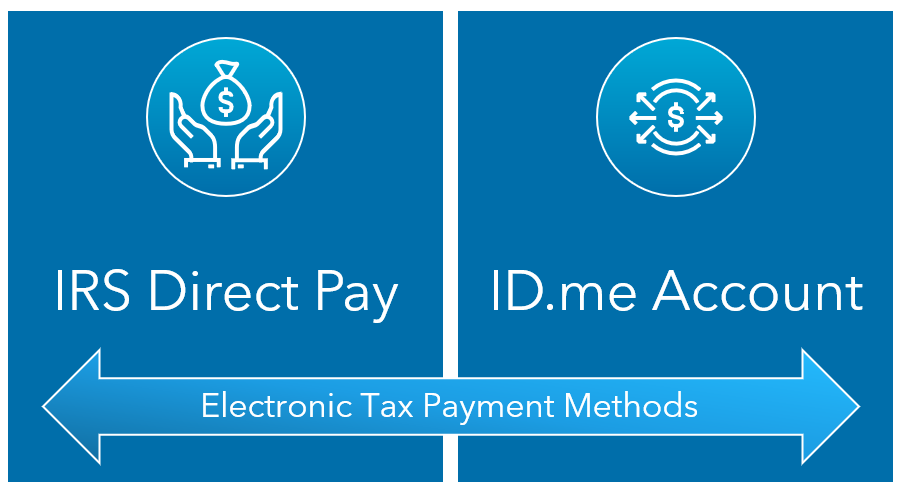
The IRS offers two primary options for making electronic tax payments. Both allow payments directly from a bank account, but they differ in setup and long‑term convenience.
- IRS Direct Pay (through irs.gov) – This option allows a one‑time payment directly from a bank account after completing identity verification. Verification uses information from a prior‑year tax return, including an address that must be entered exactly as it appears on that return. Once the payment is submitted, a confirmation email is provided. This approach is straightforward and does not require creating an account.
- ID.me Account – This option requires additional setup and identity verification, such as providing a driver’s license. Once established, the account can simplify future payments by allowing users to log in without re‑entering extensive information. It also provides access to payment history and makes it easier to work with a tax preparer, including approving a power of attorney electronically.
The direction towards electronic payment is clear. While mailing checks remains an option, it now requires more effort and carries more risk than in the past. Adjusting payment and filing habits now can help avoid issues as the IRS continues moving toward full electronic enforcement.
If mailing a check, tax return or special form is unavoidable, additional precautions are now necessary. Items should be sent via Certified Mail. Going to the post office, requesting certification, obtaining the receipt and watching the item being stamped provides proof of timely filing or payment. Standard mail without certification is no longer reliable for meeting tax deadlines.
Look Ahead Towards Electronic Payments and Connect With an Advisor
As these changes take shape, our team is here to help our clients navigate payment options, refund timing and filing decisions with confidence. If you have questions about electronic payments, mailing requirements or how these updates affect a specific situation, contact your Warren Averett advisor directly.
