
The Seller’s Guide to Net Proceeds: The Mystery of the Final After-Tax Wire

After decades of pouring resources, time and effort into a company, every business owner wants to achieve an optimal outcome upon exit. However, the amount of money a seller will actually receive after a transaction closes is often a complex and mysterious figure.
Adjustments, debt, fees, escrows, taxes and other factors have a significant impact on net proceeds. “Enterprise value,” the “net closing wire,” and “net take home cash/economic benefit” are terms commonly conflated, even though they may reflect vastly different figures.
Unfortunately, many sellers are in the dark about their numbers until they’re surprised with a final figure too close to closing day—but it doesn’t have to be that way.
To gain a more transparent picture of your final net proceeds from the sale of your business ahead of time, we suggest you ask yourself (with your advisors) these questions.
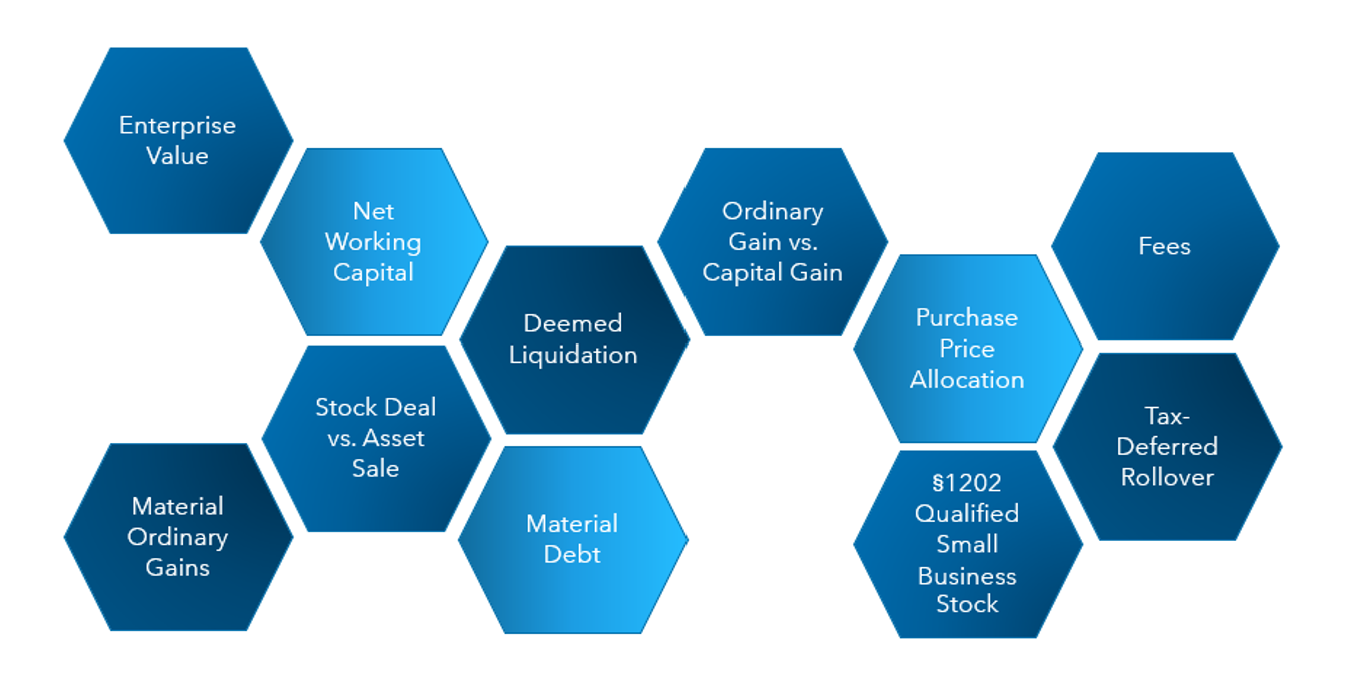
Questions to Help Determine Your After-Tax Net Proceeds
- What adjustments to enterprise value are being contemplated?
- What is the net working capital target, and can I deliver that amount?
- Is the structure of the transaction a stock deal or asset sale? (Is it a stock sale legally and the parties have agreed to establish a structure or make an election to treat it as an asset sale for tax purposes?)
- Is there a deemed liquidation of the selling entity as a part of this tax structure? (What are the tax ramifications of this liquidation for me at the owner level?)
- How much ordinary gain (likely at a 37% rate) capital gain (20% rate) is anticipated?
- Can we negotiate a purchase price allocation that reduces ordinary income and increases capital gain?
- Is a tax-deferred rollover available? (This can defer the tax on this portion of the sale and give the selling owner a “second bite at the apple” via equity in the ongoing commercial enterprise.) You can still participate in the next sale with taxable equity consideration from purchasers, but unless the requirements are met, this is taxable in the year of initial closing.
- Is 1202 qualified small business stock a possibility? If you meet the conditions, and there are several, you can exclude from federal income tax up to 100% of your transaction’s capital gains. This can be tens or hundreds of millions of dollars in tax. (You must be selling a C Corporation and have a five-year hold and no material redemptions, among other requirements.)
- What fees are involved that will be paid at the closing table? If there is an investment banker, and if so, how are those fees structured?
- Does the transaction structure add material ordinary gains for the sellers to provide purchasers with a “step-up” (i.e., tax amortizable goodwill deductions)? If so, are sellers able to negotiate a “gross-up” or additional consideration to achieve the same net after tax cash position? (This is often a very material purchaser tax benefit that can cost sellers additional federal and state income taxes.)
- Does the business have material debt that will be paid off with transaction consideration? Is there cash that I can leave with the purchasers to offset this? Most of the transactions we see are “cash free, debt free.”
Ultimately, based on these considerations, we suggest your advisors illustrate an estimated net wire at closing, future earnouts and escrows (and how they will be taxed), closing year taxes to retain, and—of course—the net take home benefit after fees, adjustments, debt and taxes.
Learn More about Planning Well for the Sale of Your Business
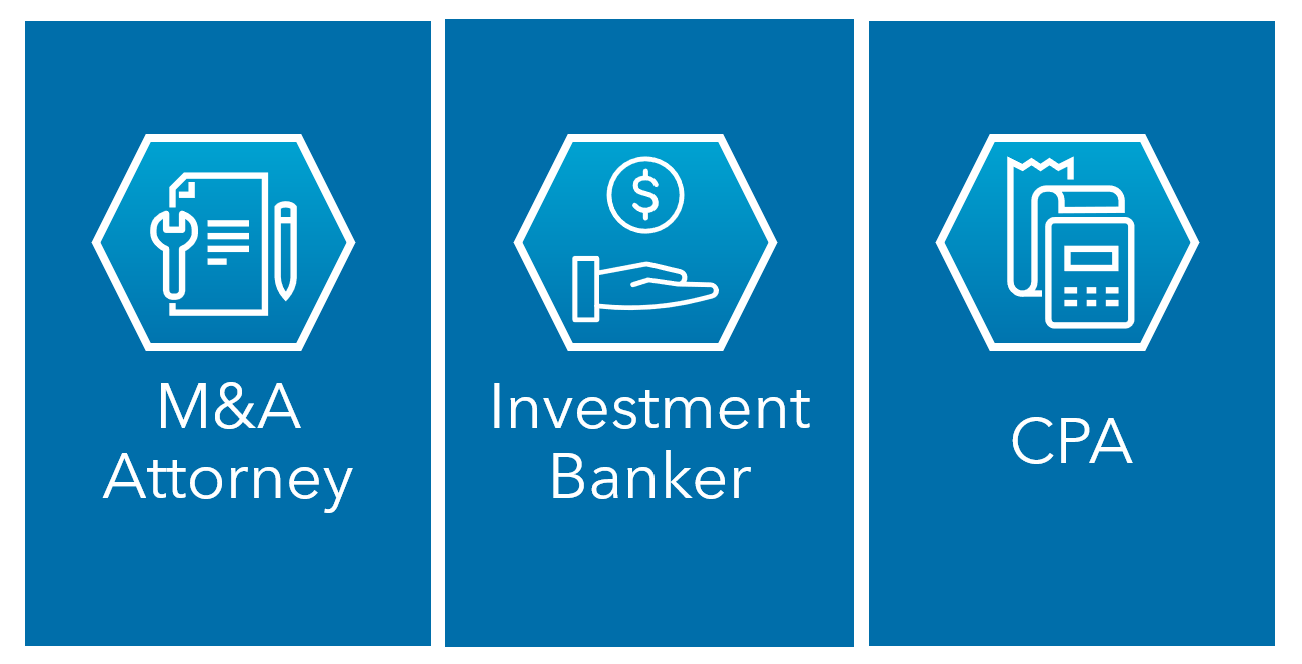
To be successful, we believe this requires a good partnership with seasoned merger and acquisition attorneys, and we suggest you consider a good investment banking firm. It’s also important to have a CPA who can model potential transaction structures/facts and advise as the process unfolds.
If you are contemplating a sale in the next few years, or if you have several letters of intent in front of you and you would like to see how they compare, connecting with these advisors early can kickstart the modeling process and help you make informed decisions. A sound advisor can start from as early as a few years prior to going to market and stay with you all the way through the post-close adjustments and tax reporting process.
If the sale of your business is imminent, these advisors can still help, but they will need to be engaged and get up to speed quickly.
Regardless of where you are in the process, having the right team is key. If you’re ready to discuss how to successfully navigate the sale of your business, connect with your advisor at Warren Averett directly to get the conversation started, or request that one of our advisors reach out to you.