
The 401(k) Startup Tax Credit: How to Launch Your Plan for Less

401(k) plans offer valuable benefits to both organizations and employees—and now it’s even more financially feasible for small businesses to start offering them.
Why Start a 401(k) Plan?
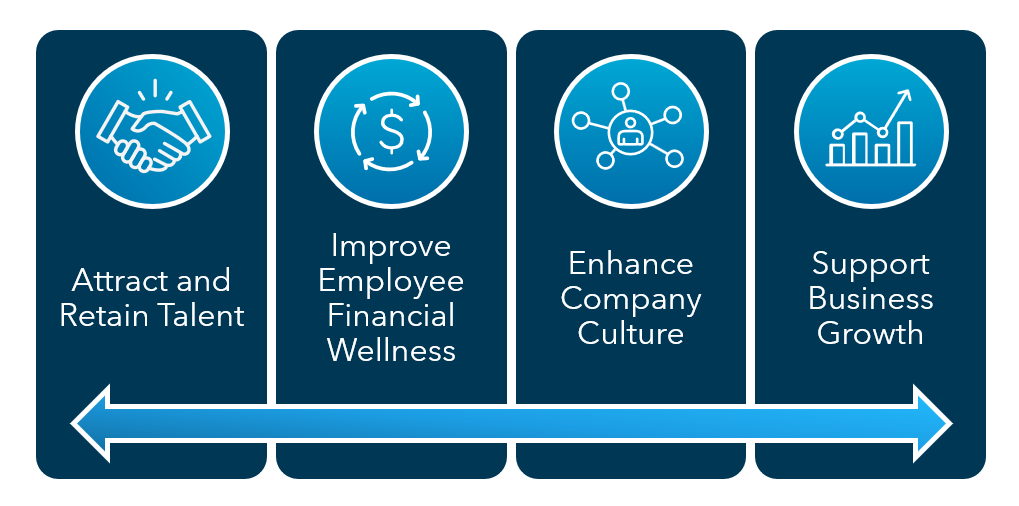
Starting a 401(k) plan offers several benefits and key advantages for organizations.
Attracting and Retaining Talent
Starting a 401(k) plan or other qualified retirement plan can enhance your company’s appeal to prospective employees. In a competitive job market, a comprehensive benefits package including retirement savings options, can be a decisive factor for top-tier talent. It also demonstrates a commitment to your employees’ futures, which can encourage loyalty and reduce turnover.
Improving Employee Financial Wellness
A 401(k) plan provides employees with a structured and efficient way to save for retirement, which can increase worker productivity and the company’s competitive position, since employees are less likely to be distracted by financial worries.
Enhancing Company Culture
A 401(k) plan shows that your company values your employees and is invested in their long-term success. This can improve morale and foster a sense of community within the workplace.
Supporting Long-Term Business Growth Strategies
By starting a 401(k) plan, you’re also investing in your business’s long-term stability and growth. Employees who feel secure in their retirement plans are more likely to stay with the company and contribute to its success over time.
What Is the 401(k) Startup Tax Credit?
The Retirement Plans Startup Costs Tax Credit is a tax incentive created to encourage small businesses to establish new employee retirement plans—including 401(k) plans—by offsetting the initial costs of starting up and administering a plan.
By taking advantage of this 401(k) startup tax credit, small business owners can reduce the financial burden of including retirement savings in their employee benefits packages.
Which Companies Are Eligible for the 401(k) Startup Tax Credit?
Your business must meet specific eligibility criteria to qualify for the 401(k) startup tax credit. The eligibility criteria include:
- 100 or fewer employees: Your business must have had 100 or fewer employees who received at least $5,000 in compensation in the preceding year.
- At least one non-highly compensated employee (NHCE): NHCEs are employees who do not fall into the category of highly compensated employees (HCEs), which the IRS generally defines as:
- Someone who owned more than a 5% interest in the business; or
- Someone who received compensation over a certain threshold adjusted annually for inflation. (For the 2024 tax year, that threshold is $155,000.)
- No existing retirement plan: Your business must not have maintained a retirement plan for the same employees in the past three years.
What Happens if Your Business Grows Beyond 100 Employees?
Business growth is a positive indicator of success, but it can affect your eligibility for the tax credit.
If you’ve already claimed the 401(k) startup tax credit for the first year when your business grows beyond 100 employees, you can still benefit from the tax credit for that year. The tax credit isn’t subject to retroactive adjustments based on subsequent growth.
However, you will no longer be eligible to claim the tax credit in subsequent years.
For example, say your business initially qualifies for the 401(k) startup tax credit with 90 employees in the first year. If the company grows to 110 employees in the second year, you will not be eligible for the credit. However, you could still retain the benefits of the credit claimed in the first year.
Which Costs Are Covered by the 401(k) Startup Tax Credit?
You can claim the tax credit for ordinary and necessary costs associated with:
- Setting up and administering the plan: This might include fees for consulting services, legal advice and administrative costs necessary to start up the 401(k) plan.
- Educating employees about the new plan: This includes costs associated with employee education, including seminars, informational materials and any consulting fees paid to financial advisors who assist in educating your workforce about the benefits and mechanics of the 401(k) plan.
It’s important to note that you can’t claim both the tax credit and a tax deduction for the same expenses. In other words, there’s no “double dipping,” meaning you can apply the credit to reduce your tax liability or to deduct these expenses, but not both.
How Much Is the 401(k) Startup Tax Credit?
The 401(k) startup tax credit amount depends on the number of eligible employees you had during the previous tax year.
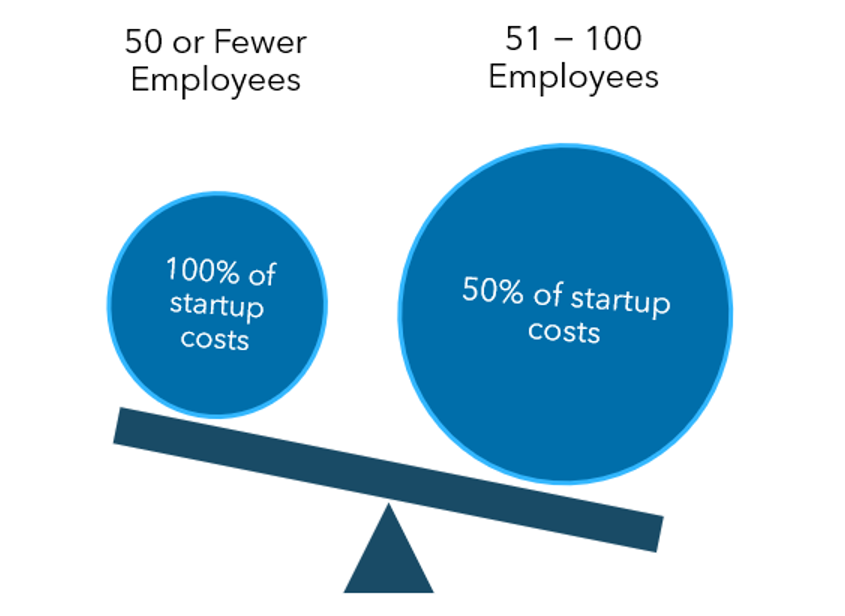
If you had 50 or fewer employees who received at least $5,000 of income, the credit is 100% of eligible startup costs, up to the greater of:
- $500 or
- The lesser of:
- $250 multiplied by the number of NHCEs who are eligible to participate in the plan, or
- $5,000
If you had 51 – 100 employees who received at least $5,000 of income, the credit is 50% of your eligible startup costs, up to the greater of:
- $500 or
- The lesser of:
- $250 multiplied by the number of NHCEs who are eligible to participate in the plan, or
- $5,000
You can claim the 401(k) startup tax credit for the first three years of the plan.
To illustrate, consider a business with 40 employees with $6,000 in eligible 401(k) startup costs in the first year. Since it has 50 or fewer employees, it qualifies for 100% coverage and can claim the maximum credit of $5,000 for that year. If the business continues to incur eligible costs and doesn’t exceed 50 employees, it can claim up to $5,000 per year for the next two years.
What’s the Typical Process for 401(k) Startup?
If you’re ready to start a 401(k) plan, it can be challenging to even know where to start. Every company and situation is different, but you can expect to follow these basic steps throughout the process.
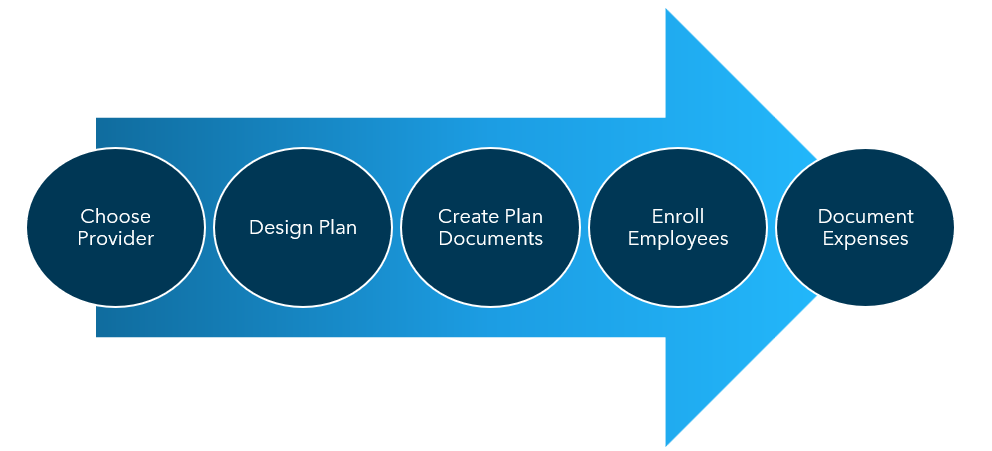
1. Choose a Plan Provider
The first step towards 401(k) startup is to select a reputable 401(k) plan provider. Your provider will help you set up and manage the plan. When vetting potential vendors, consider factors such as credentials, technical processes, communication methods, services offered, the provider’s reputation in the industry and pricing.
2. Design the Plan
Collaborate with your chosen provider to design a 401(k) plan that meets your and your employees’ needs.
Decide on the type of 401(k) plan you want to offer— a traditional 401(k) plan, safe harbor 401(k) plan or SIMPLE 401(k) plan. Each type has unique features and compliance requirements, so it’s important to identify which one will work best for you.
Decide whether you’ll have an automatic enrollment feature, and determine how you will structure contributions to your 401(k) plan. This includes employer contributions (matching or non-elective), employee salary deferrals and contribution limits.
You’ll also select a range of investment options for the plan, ensuring the options are diverse and cater to different risk tolerances and investment strategies.
One of the most important things to do during the 401(k) startup process is to ensure your plan complies with IRS and Department of Labor regulations. This includes adhering to nondiscrimination testing, contribution limits and other regulatory requirements.
3. Create and Finalize Plan Documents
Once you’ve designed your 401(k) plan and have considered your compliance, you’ll work with your provider to establish the plan infrastructure. This is accomplished by creating and finalizing plan documents that outline the plan’s terms and conditions. These documents are essential for legal compliance, clear communication with employees and a steady administrative system.
You’ll also establish administrative procedures for ongoing plan management, like tracking contributions, processing distributions and maintaining records.
4. Enroll and Inform Employees
Help your employees enroll in the plan by providing necessary forms, instructions and deadlines. Schedule educational sessions to help them understand the plan’s benefits and features, and then continue to regularly communicate with employees about the plan. Provide consistent updates on plan performance, changes in investment options and other relevant information.
5. Properly Document All Relevant Expenses
Keep detailed records of all expenses related to setting up and administering the plan. This documentation is essential for claiming the 401(k) startup tax credit and complying with tax regulations.
Maximize Benefits With the 401(k) Startup Tax Credit
Introducing a 401(k) plan into your business’s benefits package can help attract and retain talent and support long-term business growth. With the 401(k) startup tax credit, offering this benefit doesn’t have to be prohibitively expensive.
Reach out to a Warren Averett advisor for help maximizing these benefits and ensuring a smooth implementation. We can provide expert guidance tailored to your business’s unique needs.