
3 Financial Strategies for SaaS Companies Operating in Niche Markets

Software-as-a-Service (SaaS) companies operating in niche markets face unique financial challenges.
Recurring revenue is a core strength of the SaaS model, but high churn rates make revenue forecasting and growth planning difficult. As the business scales, operational and support costs also rise, straining margins.
Plus, with longer sales cycles, high customer acquisition costs (CAC) and more subscription tiers, creating a solid financial strategy is simply different than for broader-market SaaS providers.
Fortunately, the following three strategies can help these companies manage risk, improve financial stability and create a foundation for long-term success.
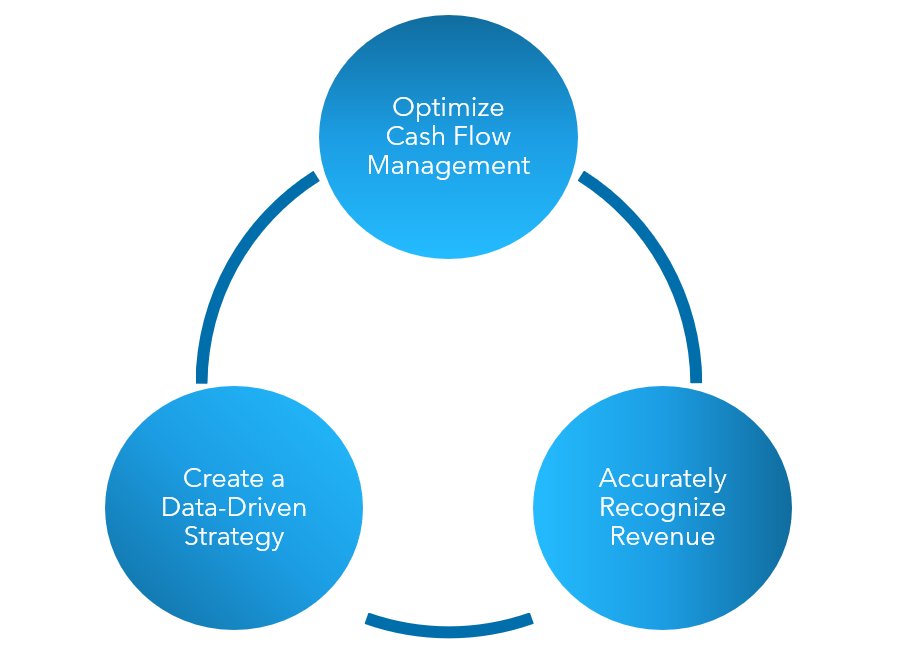
1. Optimize Cash Flow Management
Reliable cash flow is important for any company, but it’s especially critical for SaaS companies in niche markets. Because you serve smaller customer segments, each customer relationship carries more weight.
Delayed payments or canceled subscriptions impact operational stability, and high CACs demand ongoing investments. Without stable cash flow, you may struggle to fund these efforts while also meeting your day-to-day obligations.
Effective cash flow management ensures you have the resources to acquire and retain customers and respond quickly to market changes.
To improve your cash flow visibility and control, review your cash flow regularly—ideally monthly. Incorporate best-case, worst-case and most-likely scenarios to anticipate potential cash shortages or surpluses so you can adjust spending or pivot as needed.
Consider offering your customers flexible yet structured payment options to improve liquidity. For example, you might use discounts to encourage upfront annual payments. While many customers still prefer monthly billing, offering autopay and automated reminders reduces late payments and shortens the receivables cycle.
Implement cost-effective customer acquisition strategies like partnerships or referral programs instead of relying solely on paid advertising, which can drain resources quickly.
Monitoring key performance indicators like Customer Lifetime Value (CLV), Net Revenue Retention (NRR), churn rate, burn rate and Monthly Recurring Revenue (MRR) can help you assess the company’s short-term financial health and long-term sustainability.
Set aside a portion of cash inflows in a reserve fund to cover unexpected expenses or weather an economic downturn.
2. Accurately Recognize Revenue
Accurate revenue recognition is essential for SaaS companies seeking investor funding or preparing for an acquisition. Company valuation is often based on the predictability and quality of recurring revenue.
The SaaS revenue model often includes recurring billing, usage-based pricing and the potential for contract modifications or cancellations. These factors increase the risk of recognizing revenue in the wrong period, potentially leading to audit or regulatory issues, financial restatements and weakened investor confidence.
Complying with ASC 606 (or IFRS 15 for international reporting) bolsters your revenue recognition processes.
ASC 606’s five-step model for revenue recognition requires you to identify the contract, identify performance obligations, determine the transaction price, allocate the price to performance obligations and recognize revenue as you satisfy those obligations.
Performance obligations vary based on how you bundle or deliver products and services. For example, a company providing workflow software for law firms might include onboarding support and document migration as part of its offering. Documenting and allocating revenue to each obligation supports compliance and promotes transparency.
Maintain detailed schedules to distinguish between earned and unearned revenue. Deferred revenue (cash received for services not yet rendered) should remain on the balance sheet until recognized.
Revenue recognition is closely tied to contract terms, so regularly review and update your customer agreements to reflect discounts, bundled services or tiered pricing.
3. Create a Data-Driven Financial Strategy
SaaS companies operating in niche markets have limited customer pools and often contend with specialized competitors.
A data-driven approach supports sustainable growth, improves resource allocation and supports proactive decision-making. Without a structured plan, you risk overspending or underestimating future capital needs.
Long-term planning also demonstrates financial maturity to potential lenders or investors, which can improve your valuation and financing options.
Develop financial plans in parallel with product roadmaps and go-to-market strategies. For example, if you want to expand into a new vertical, your plan should reflect the increased CAC, projected revenue ramp-up and expected customer lifetime value associated with that market.
When creating budgets and forecasts, break them down by department, initiative or customer segment. Use historical data and industry benchmarks to project revenue, expenses and cash flow over 12 to 36 months. Regularly review and adjust forecasts to reflect actual performance.
Develop multiple financial models and stress-test your assumptions.
Learn More About Financial Strategies for Your SaaS Company
For SaaS companies, financial stability isn’t a byproduct of growth; it’s the foundation that makes growth possible. Optimized cash flow, accurate revenue recognition and a data-driven plan are essential for building a scalable, resilient company.
If you need help applying these principles to your business, contact your Warren Averett advisor. Our team can help you develop a financial strategy tailored to your unique goals and challenges.